AudioVault
Style meets protection.
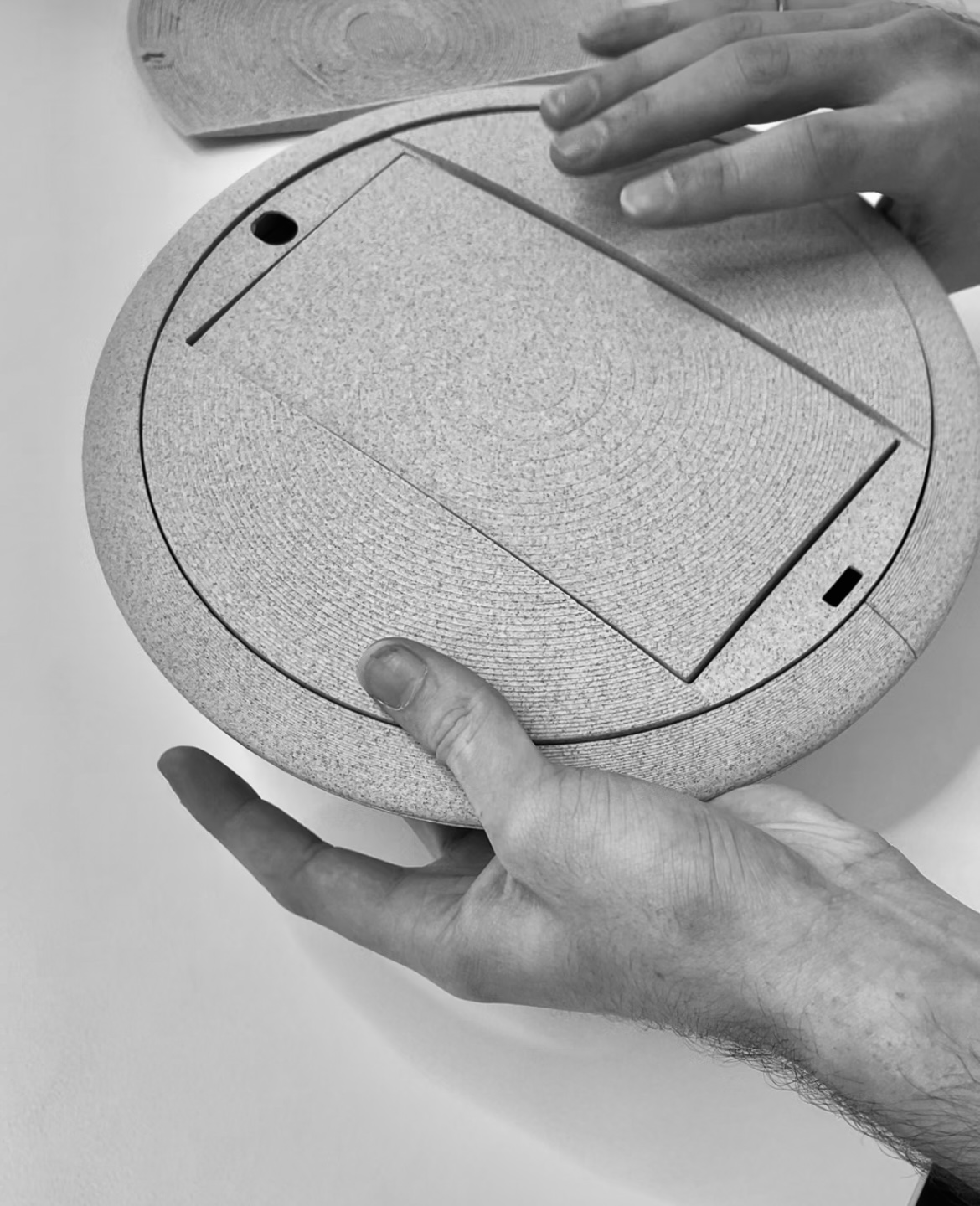
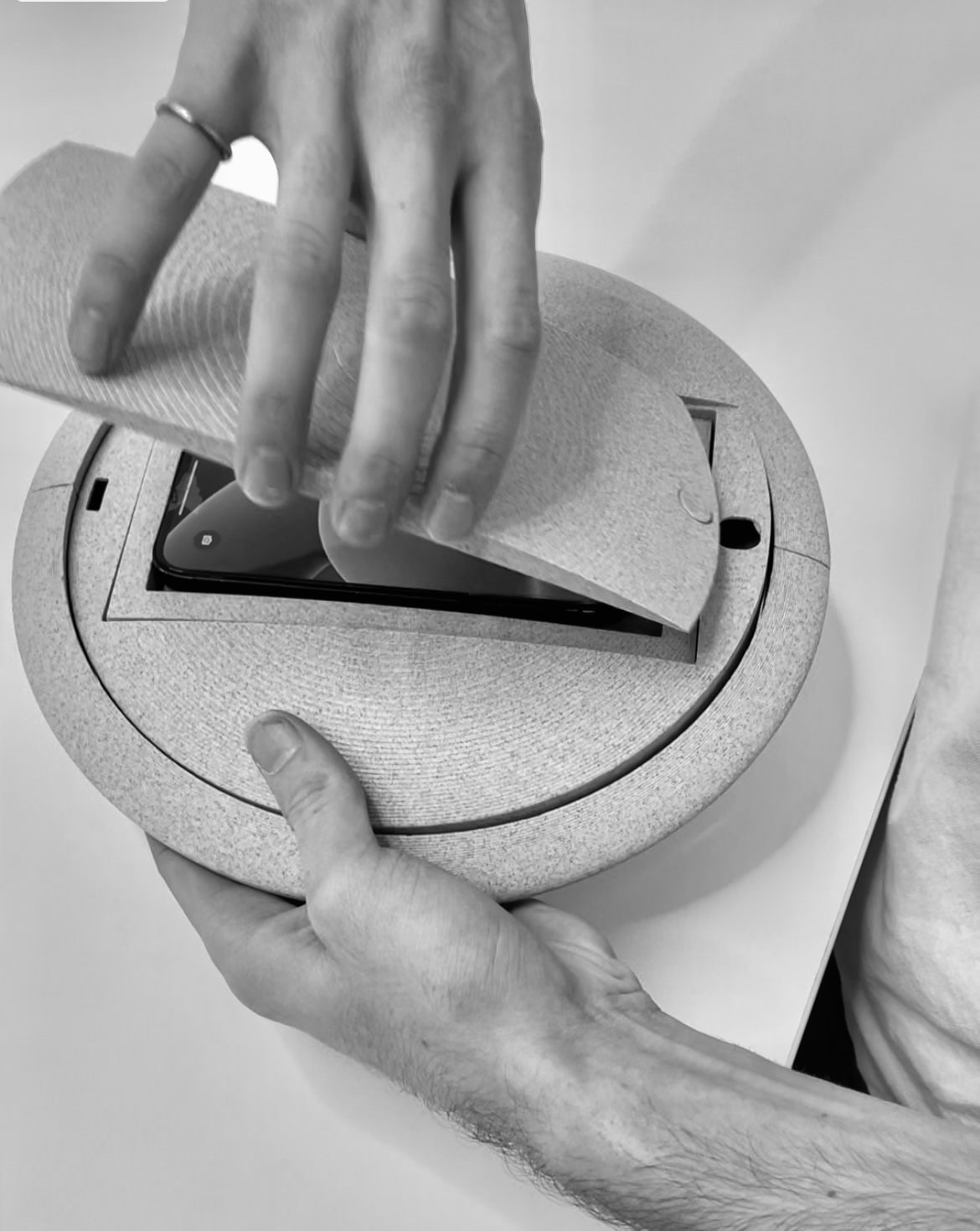
AudioVault is a protective phone container developed as a duo project. The product combines protection with wireless charging, integrated speakers, and a rotating storage mechanism. It stands out because it moved beyond visual development into a functioning prototype.
- Role
- Product developer
- Type
- Bachelor 3 / Duo project
- Year
- 2024
- Focus
- Protection, interaction, charging, audio, manufacturability
- Skills
- CAD, SolidWorks, prototyping, assembly design, electronics integration
- Duration
- 3 months
Product
Style meets protection.
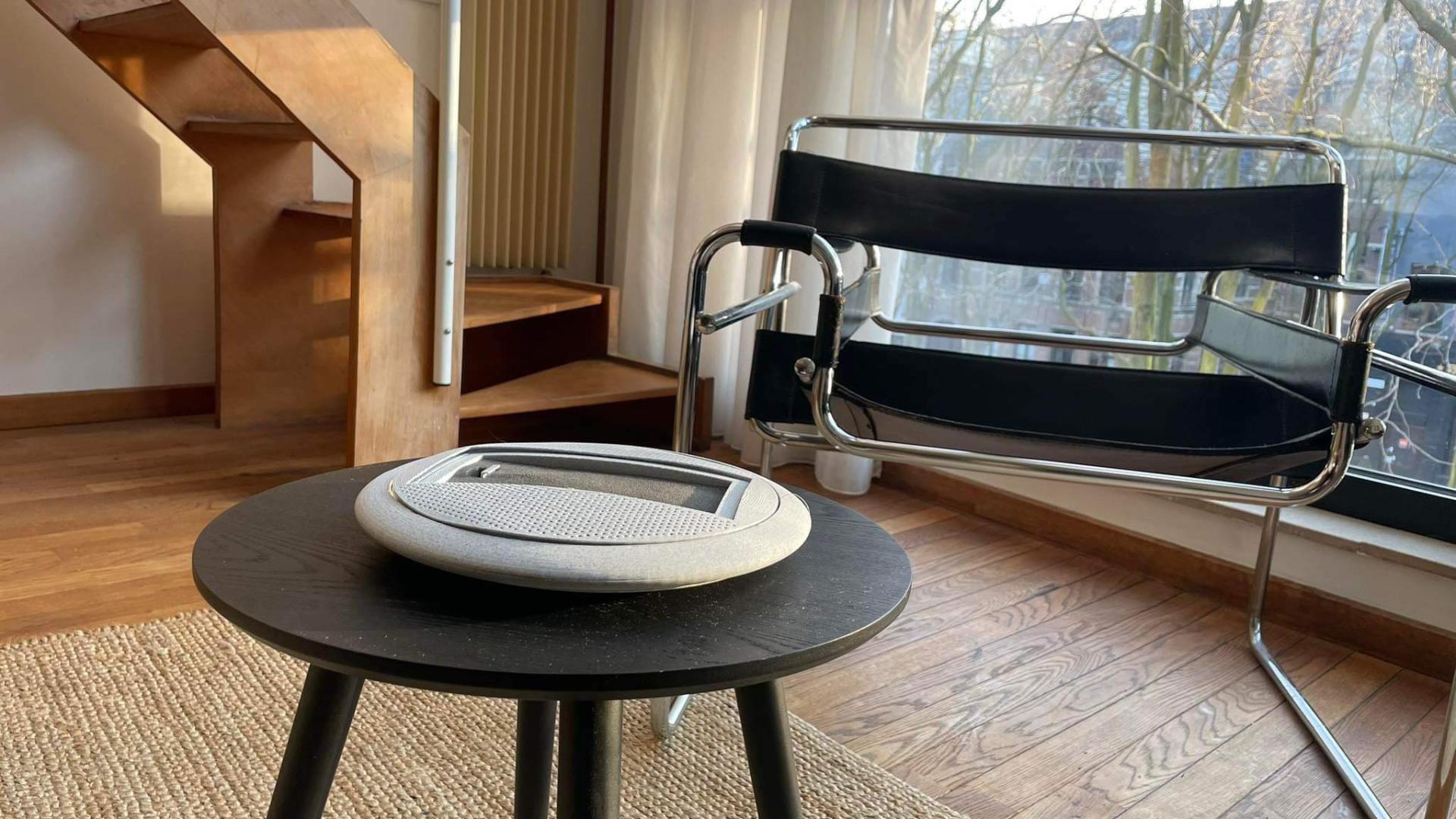
Turning an idea into a working product is one of the most satisfying parts of product development. AudioVault stands out because it became more than a concept render: it became a functioning prototype with charging capabilities, speakers, and a protective phone container.
The assignment started with creating a protective container for a phone. To make the object more valuable, we added extra functionality: wireless charging, integrated speakers, and a rotating mechanism that allows the phone to be stored or displayed when needed.
Protecting the phone.
The first goal was protection. AudioVault was designed as a container that could safely hold a phone while still giving the object a clear visual identity. The form had to feel protective without becoming too heavy, technical, or closed.
Adding charging and sound.
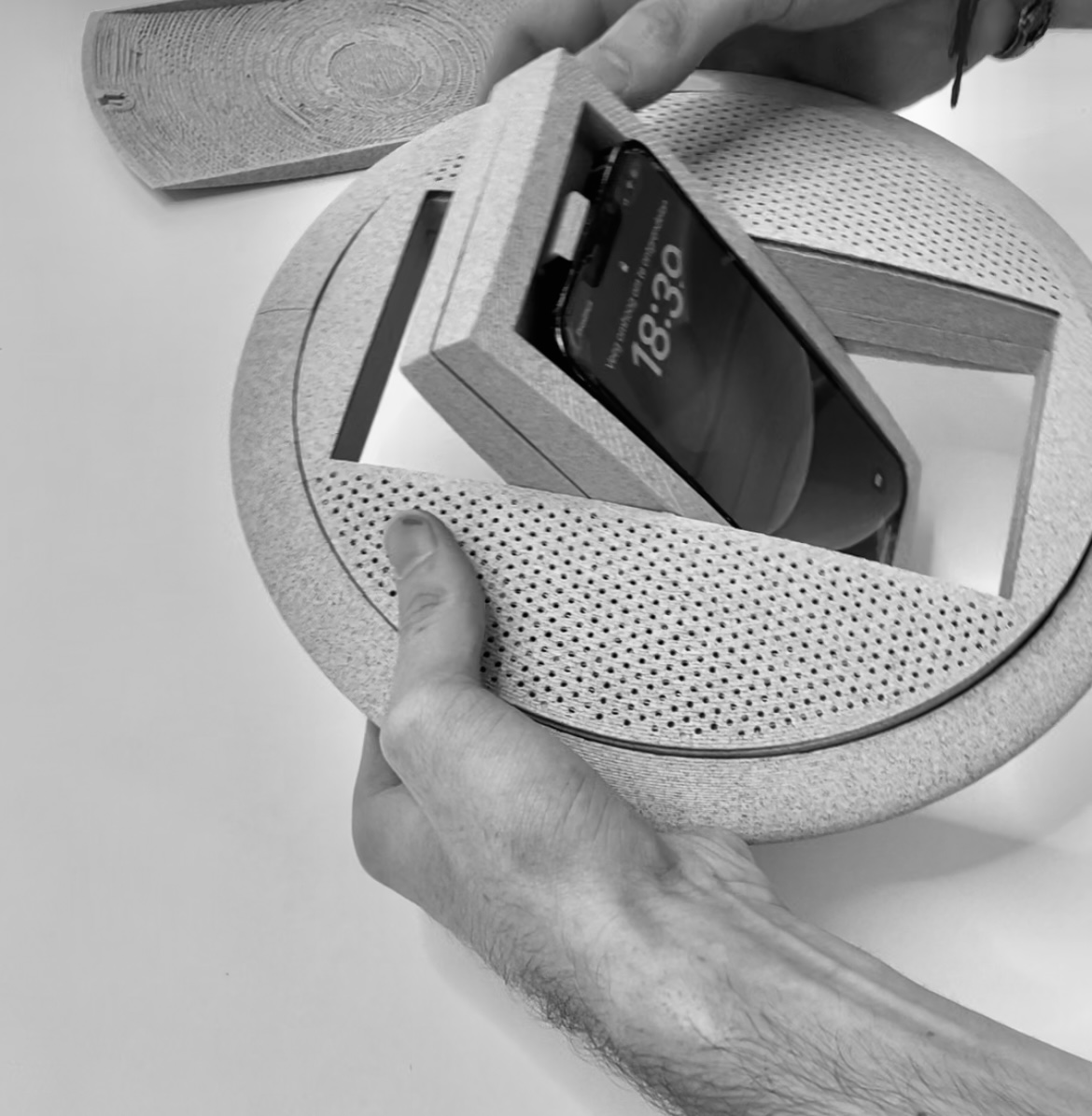
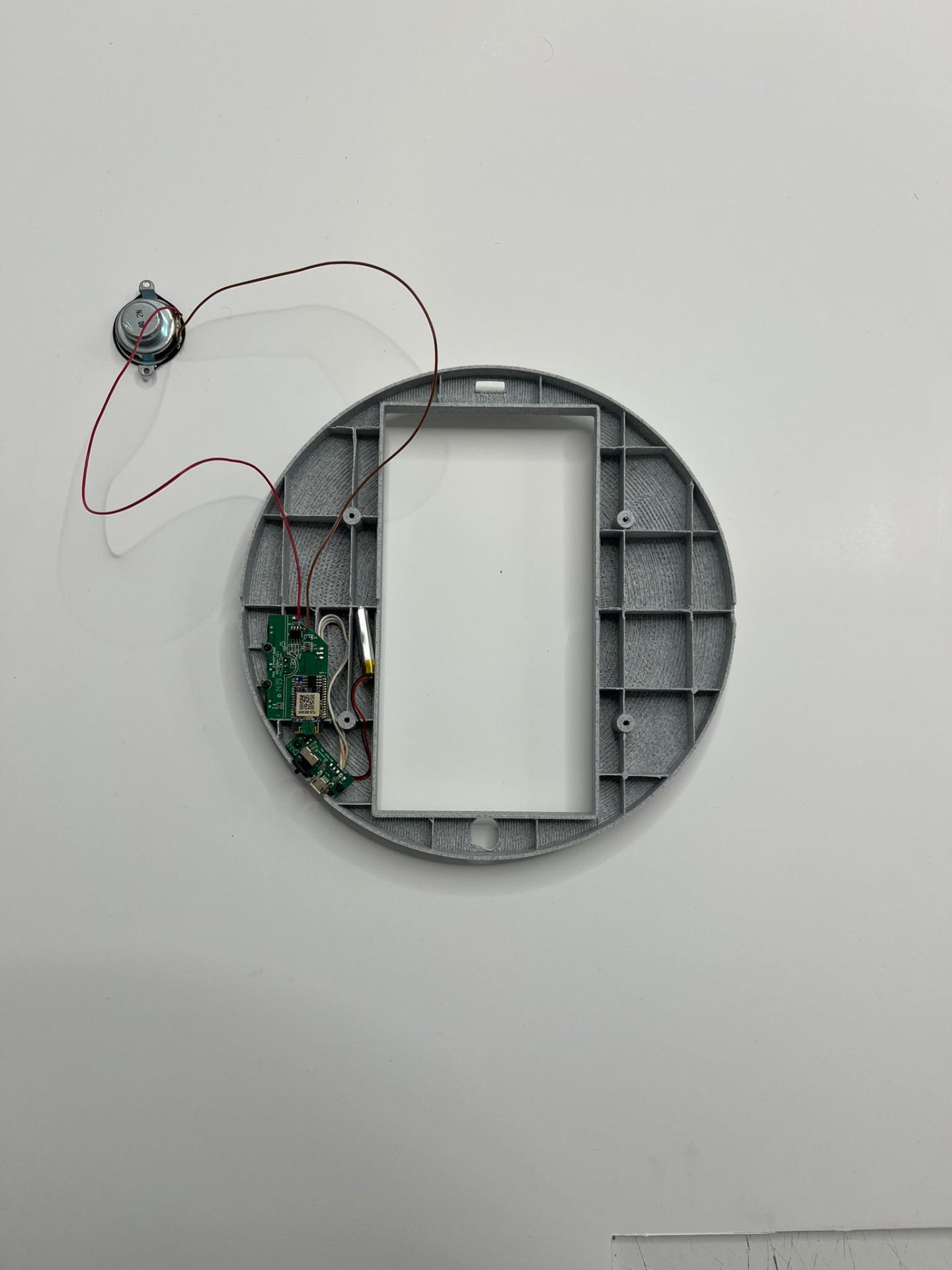
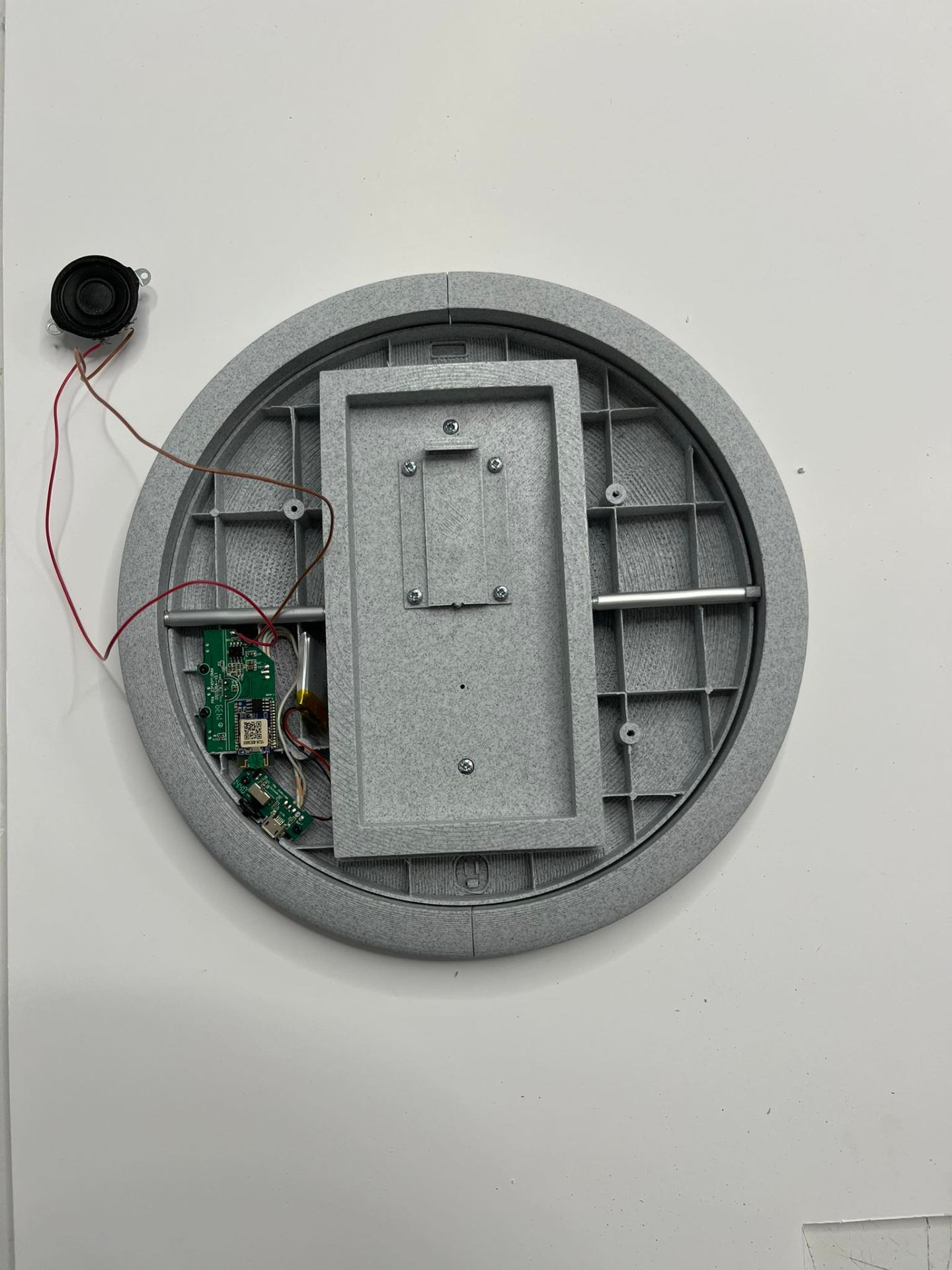
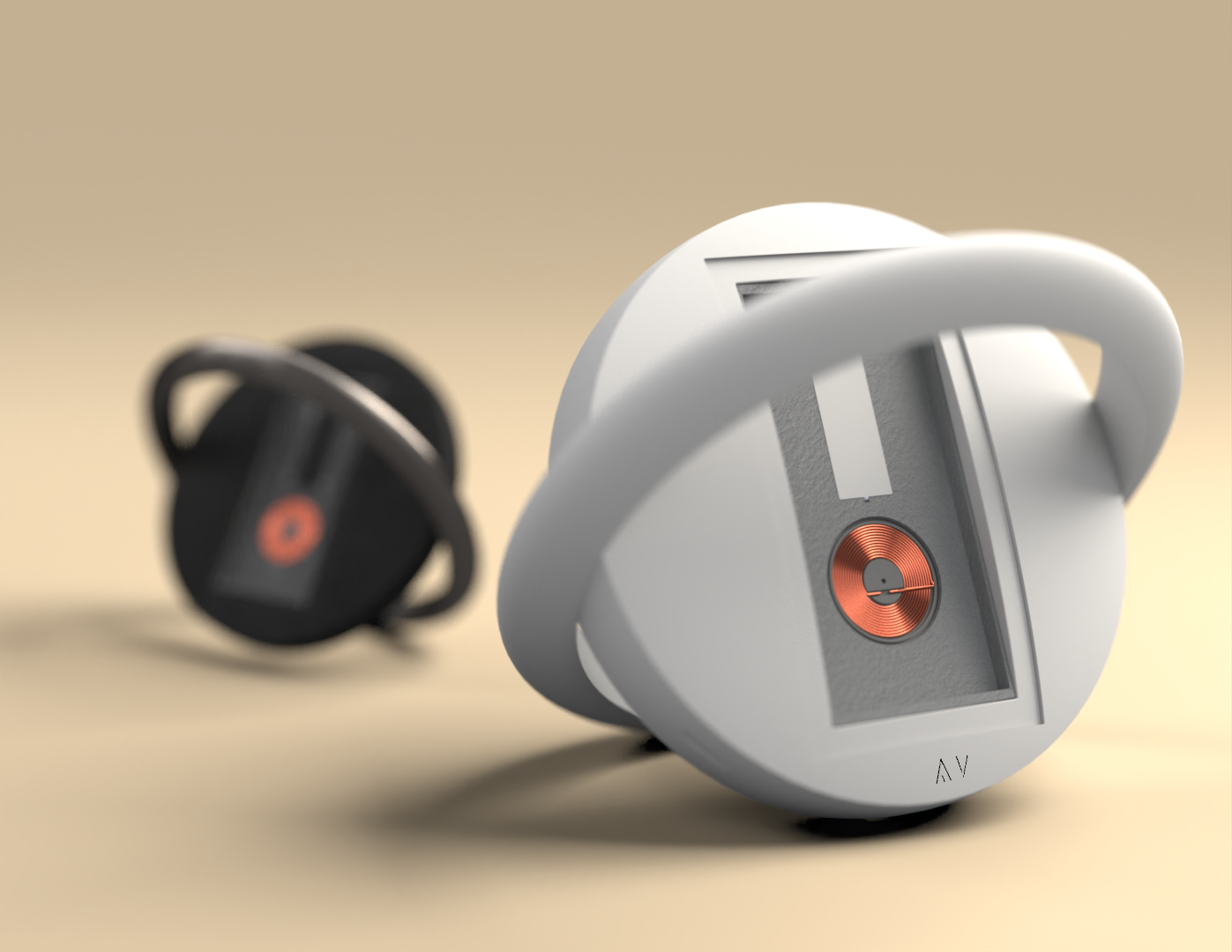
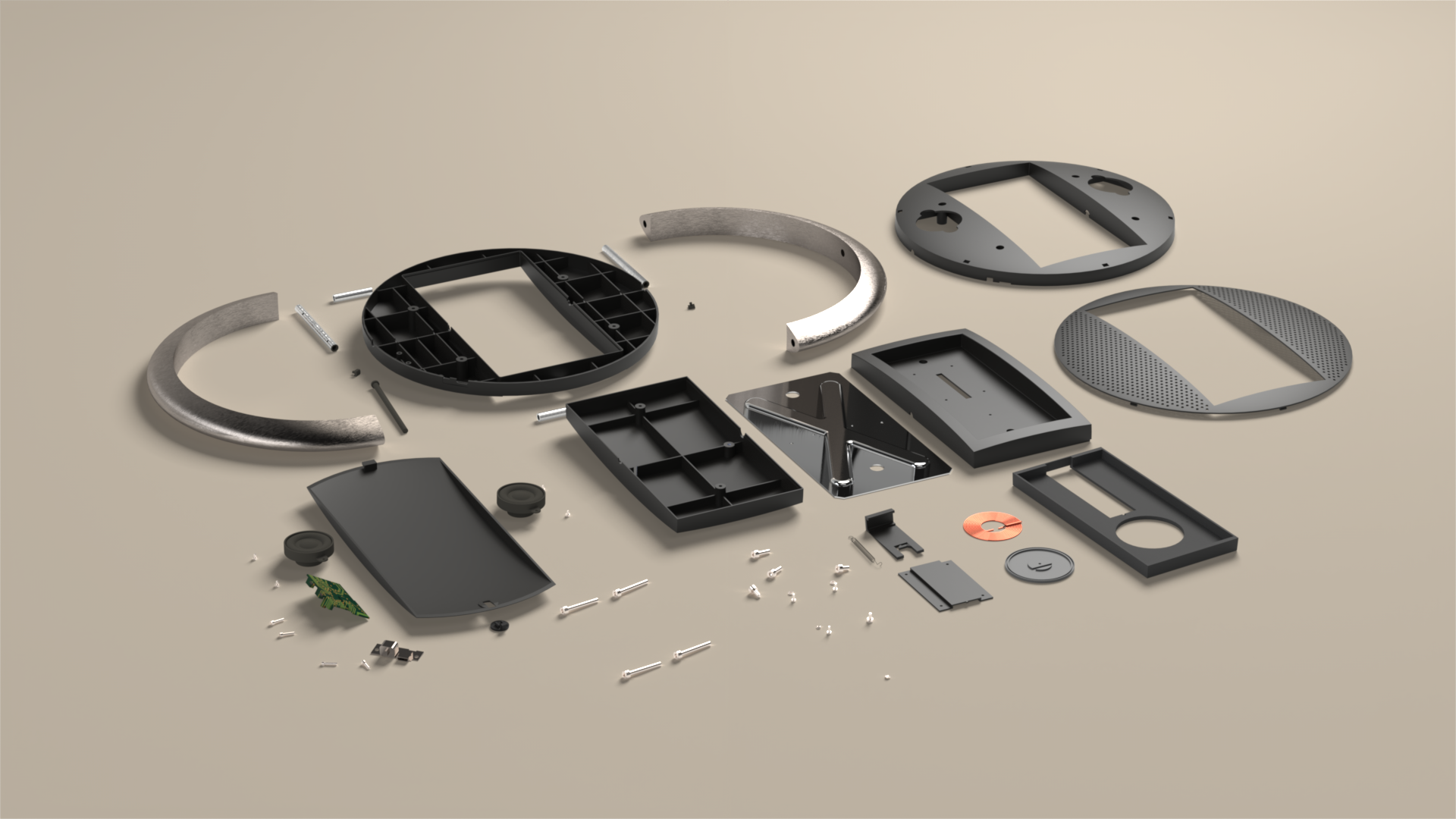
The project became more than a protective case by integrating wireless charging and speaker components. This changed the design challenge from shaping a container to organizing electronics, openings, internal space, and usability inside one product.
Designing the rotation.
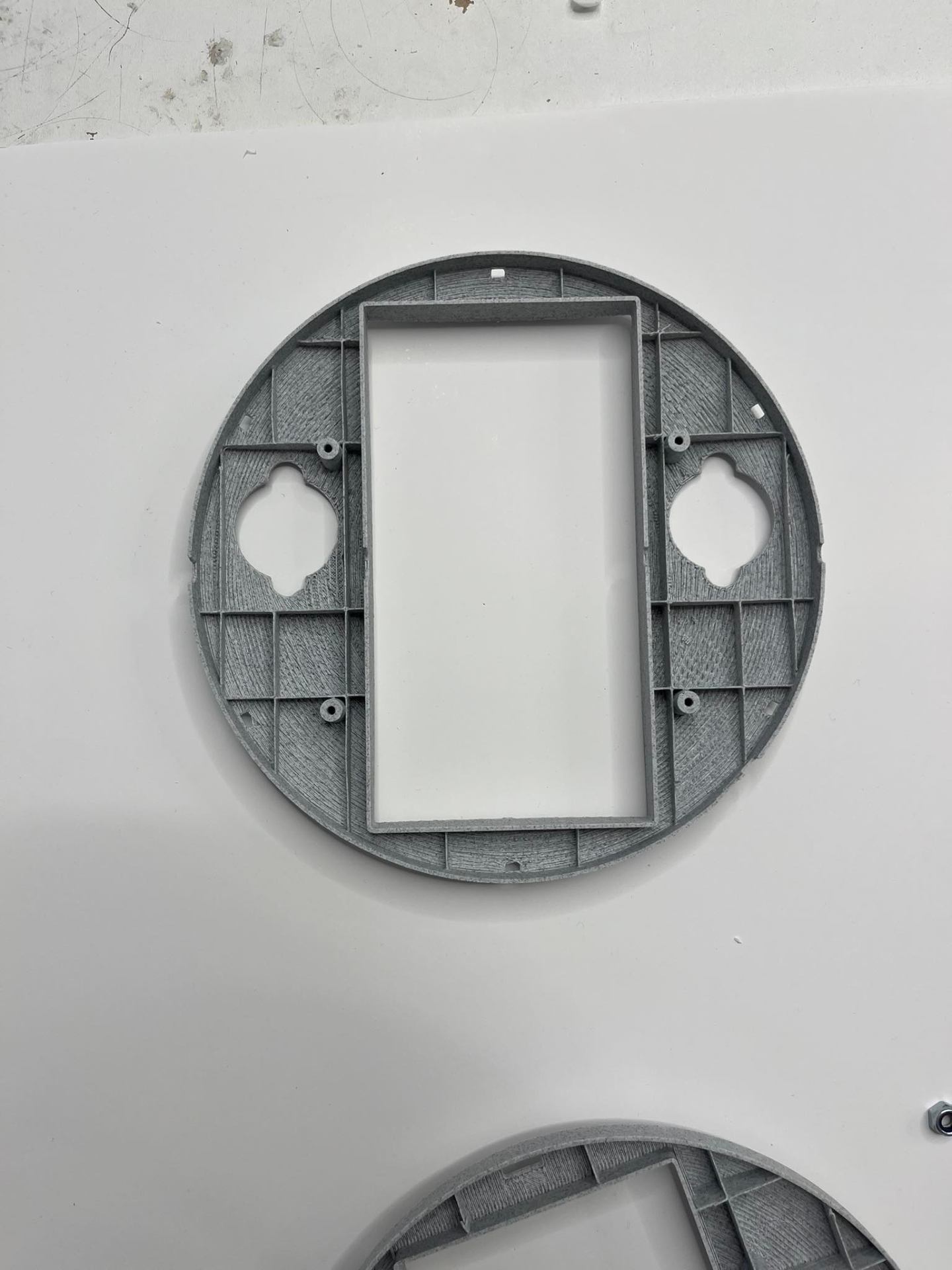
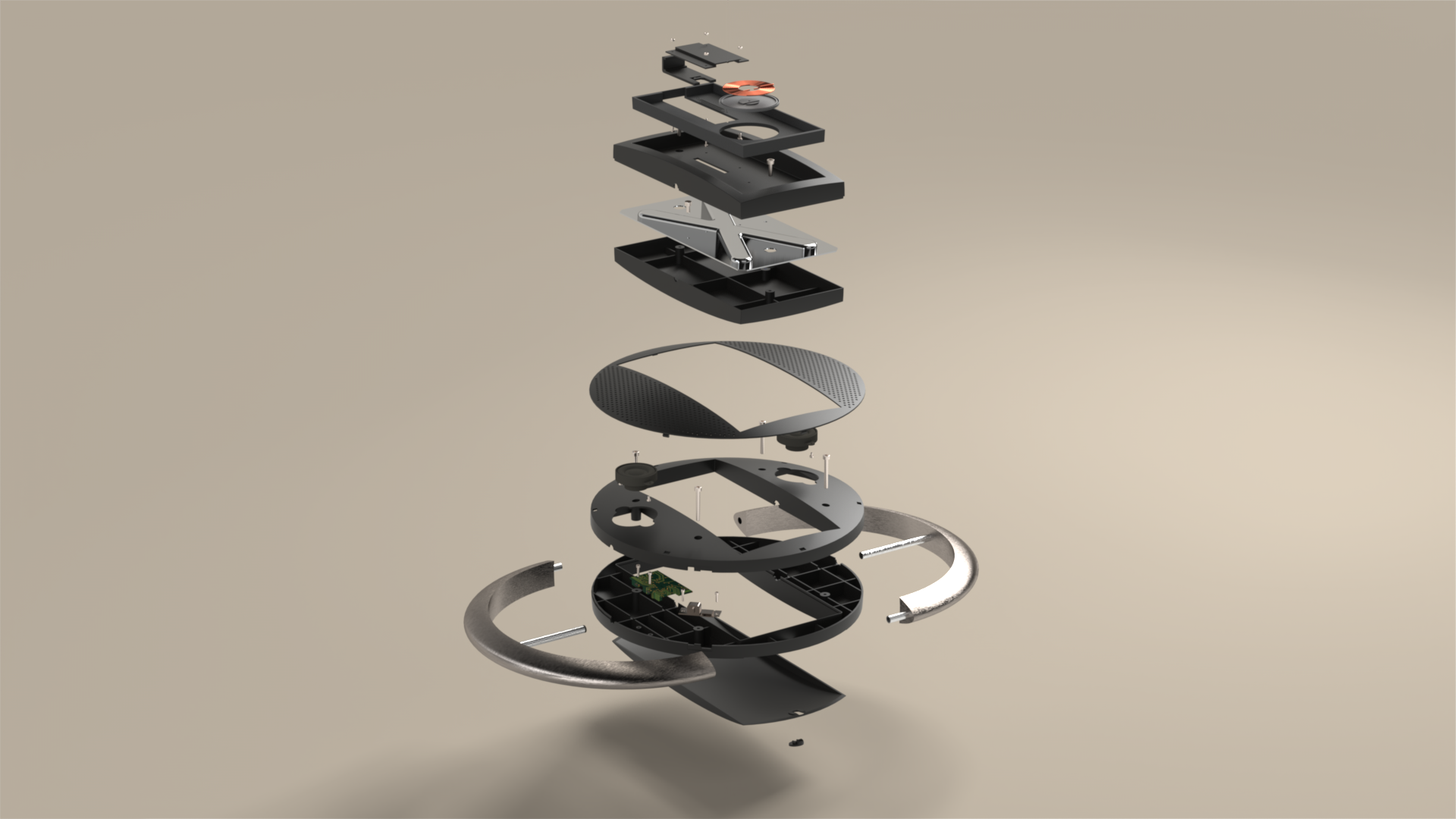
AudioVault consists of three main parts that rotate in relation to each other. This movement allows the phone to shift between storage and display. The interaction gives the object a clear sequence: open, rotate, position, charge, play, and close.
Building the prototype.
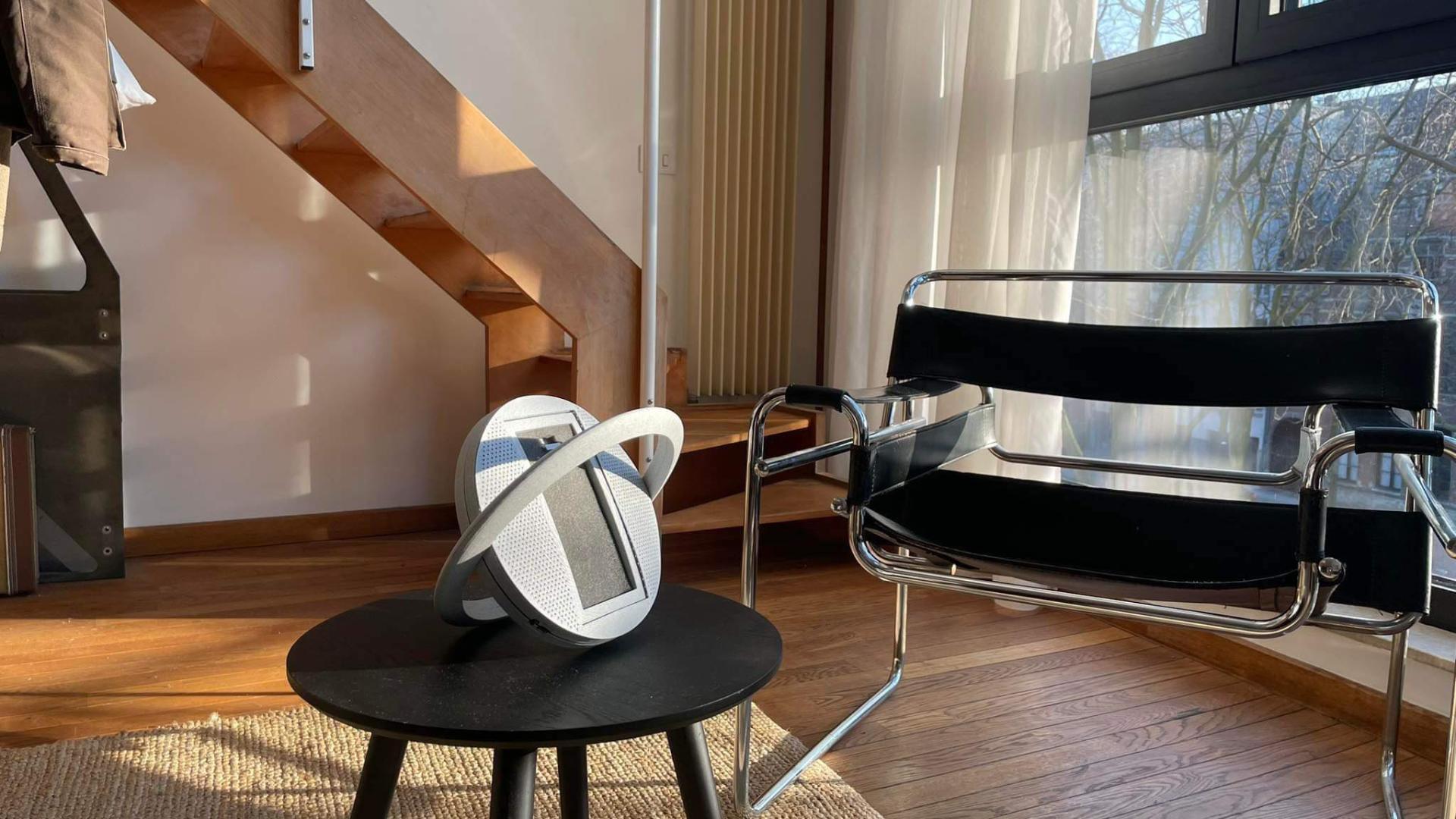
To verify the design, we produced a working prototype. The prototype helped test the scale, construction, rotation, assembly, and electronics integration. It also made the project much more realistic because design decisions had to work physically, not only visually.
Gallery